You brought up a prenup, and your partner said no. Now you’re wondering what that means for the two of you. Is it a deal breaker?
Not necessarily. Not everyone needs a prenup, but everyone should talk about one. Here is how I would approach it.
Not Every No Means the Same Thing
Start by finding out why your partner is saying no:
- Are they worried a prenup means you don’t trust them?
- Do they think it’s unfair?
- Have they heard horror stories about prenups?
Often, your partner is objecting to what they think a prenup represents. Many times, it’s based on false beliefs or stereotypes about prenups.
Some people believe a prenup predicts divorce. Others know prenups only from celebrity breakups and assume they exist to protect the partner with more money.
These beliefs are common, and the worry behind them is real.
Your partner may also be reacting to something narrower, like how or when the subject came up, or a single term you proposed. A “no” to a particular prenup is different from a “no” to any prenup at all, and each one calls for a different conversation.
Listen Before You Try to Persuade

One of the biggest mistakes I see is turning the conversation into a debate. Once you’re trying to win, your partner has to defend the “no”, and the real concern stays hidden.
Ask one open question: “What concerns you the most about having a prenup?”
Let your partner finish the whole answer, and make sure you understand it before you respond. It can also help to read about a prenup request from your partner’s side.
Be willing to change something. If your partner’s concern is fairness, they may have a point, and the prenup you had in mind may need to look different.
If the talk gets heated, stop and pick it up another day. When people feel heard, they’re much more likely to have a productive conversation.
Reframe the Conversation

A prenup isn’t about planning for divorce. It’s about planning for your marriage.
That means deciding together how you’ll handle finances during your marriage, and what happens if life doesn’t go according to plan.
In California, if you marry without a prenup, the state’s default rules generally decide how your income, property, and debt are treated. A prenup lets the two of you write your own.
So reframe the conversation around clarity, fairness, communication, protecting both partners, and how you’re going to build together. Say plainly why you want a prenup. Use examples from your own lives, like the student loans one of you is bringing in or the business one of you hopes to start.
Then make sure the prenup you’re proposing matches the way you describe it. A fair prenup benefits both of you, so ask your partner what they would want it to cover. A prenup can, for example, recognize what one of you gives up by stepping away from a career to raise children.
Both of you should also have time to review the agreement, ask questions, disclose your finances, and get independent legal advice.
Respect Their Right to Say No, and Yours to Say Yes

Your partner is free to decline. A prenup has to be signed voluntarily, and a court may refuse to enforce one that was signed under pressure. You are free, too. It’s okay to want a prenup and to say so.
Give each other time to think before either of you decides anything. If the answer stays no, you can learn together how California’s default rules would apply to your marriage and decide whether they work for you.
A postnuptial agreement may also be an option after the wedding if you both want one, although it can be harder to enforce than a prenup.
A Skill Your Marriage Will Need
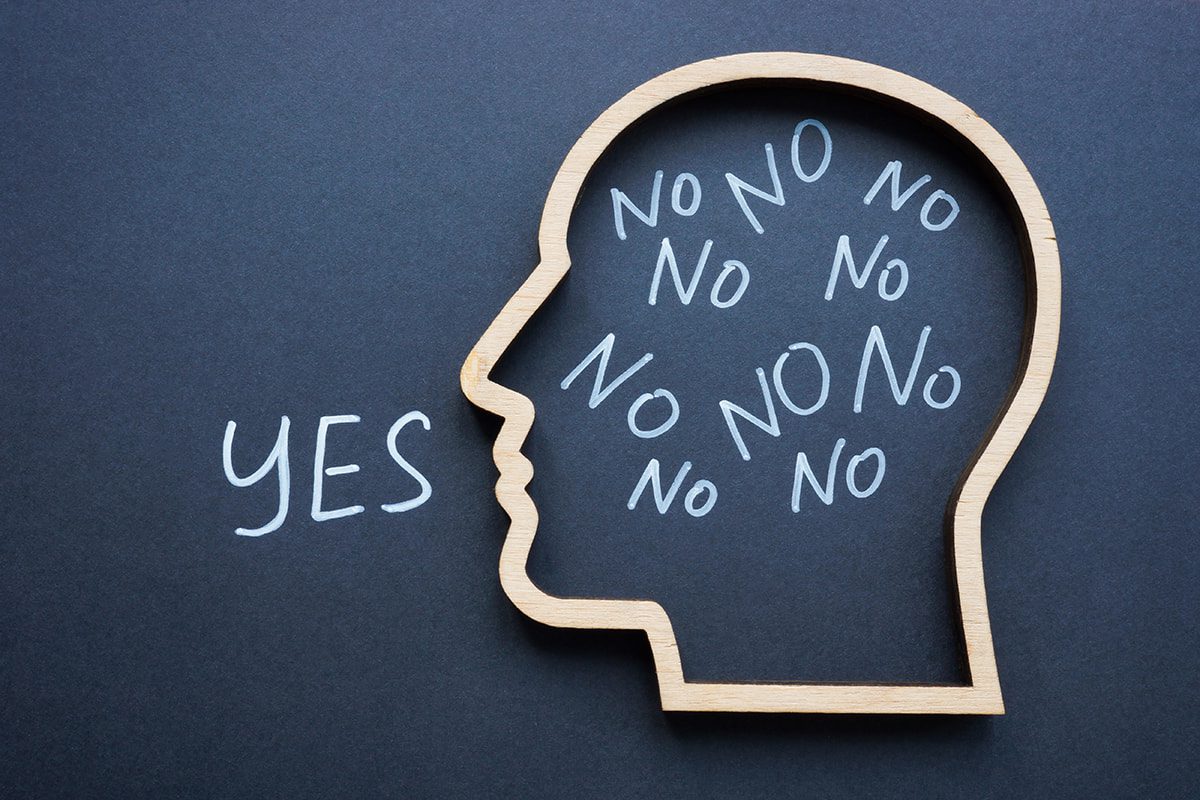
Sometimes the biggest issue is whether the two of you can work through difficult conversations with honesty, respect, and empathy.
That’s a skill you’ll need throughout your marriage, and now is the time to start exercising it. You’ll have conversations about money for as long as you’re married, with or without a prenup.
If you and your partner disagree about a prenup and want to understand your options under California law, reach out to me. I offer premarital financial consulting to help you both find a clear path forward together.